Wednesday, May 20, 2026
AI creative generation tools that actually work for SaaS
A one-or-two person SaaS marketing team can now produce more creative, run more tests, and surface more insight than a five-person team did two years ago — if they apply AI to the right parts of the workflow. The catch: most of the AI marketing tools getting hyped on Twitter were built for direct-to-consumer brands. They generate stock-style imagery, lifestyle UGC, and talking-head avatars. None of that helps you sell a digital product whose value lives inside the product flow.
This is the playbook we use at Maxma, and the one we recommend to the lean SaaS founders and growth leads in our network. It has four moves: produce creative from the product itself, scale variants without a creative team, distribute on the one organic channel where your buyer already lives, and use small paid budgets as a fast testing lab to find what messages actually work.
Why DTC AI tools fail SaaS marketers
The popular AI marketing creative tools — HeyGen, Synthesia, Runway, and a long tail of similar AI video generators — produce scenes, faces, and product mockups. They work for consumer brands because consumer creative is fundamentally about evoking a feeling around a product photo or a testimonial. A skincare brand can ship a thousand variants of "smiling person holding bottle" and one will hit. That is where AI image and avatar generation earns its keep.
SaaS creative is structurally different. The thing you are selling is a product the user has to understand — a UI, a flow, an outcome that only makes sense in motion. Synthetic avatars selling abstract software value land as either uncanny or generic. AI image generation cannot render your real dashboard convincingly. The leverage for SaaS is not generation. It is capture and iteration.
AI-powered capture: your product is the creative
The highest-leverage creative source for a SaaS product is a 15-second clip of someone actually using it. Modern AI-powered screen recording tools turn that capture into something polished enough to ship without a video editor.
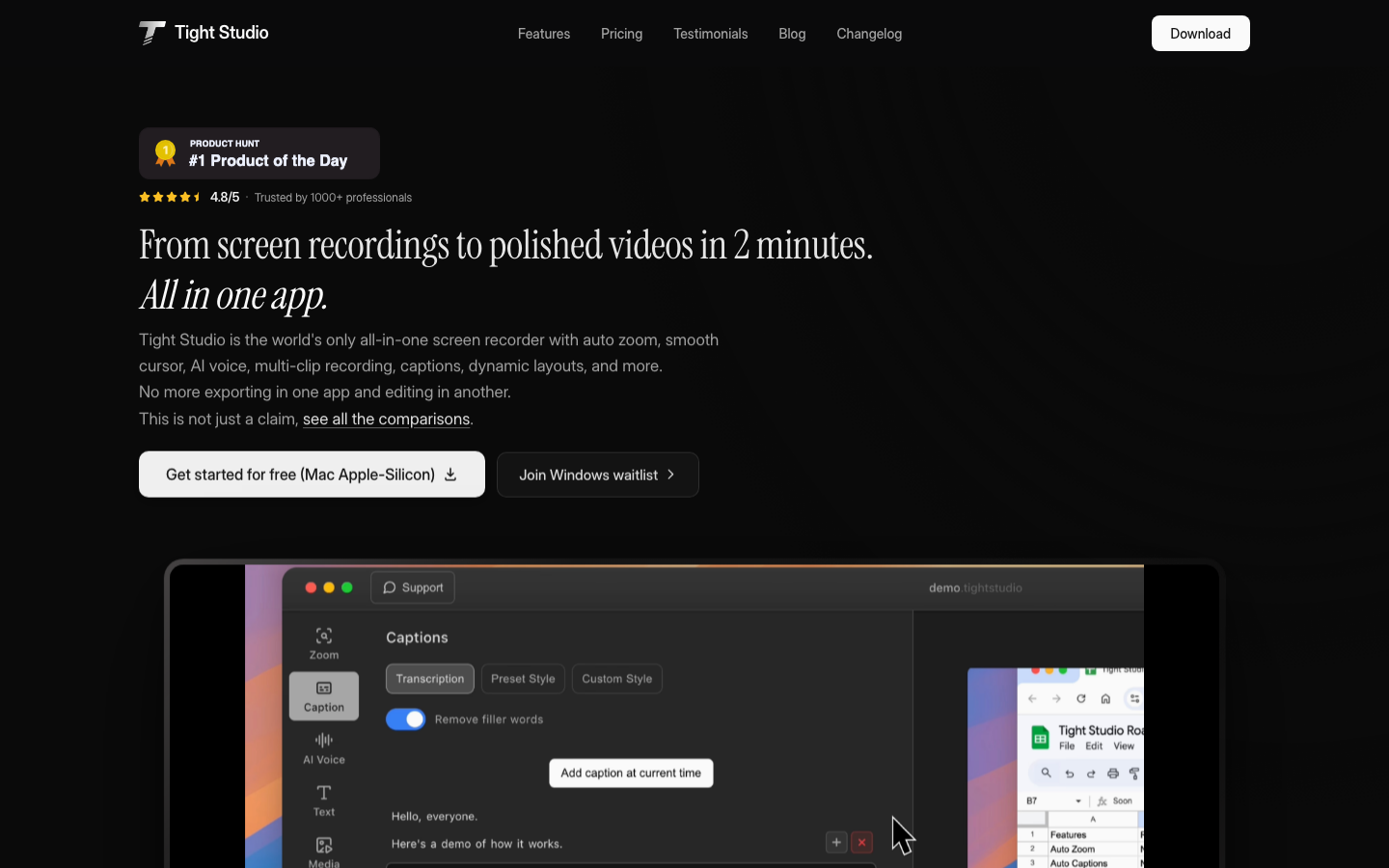
Tight Studio is our default for short-form. Smart-zoom auto-highlights where the cursor and the action are happening, AI narration generates a clean voiceover from a script, and auto-captioning lands in social-ready formats. A solo founder can record a feature walkthrough in the morning and have a LinkedIn-ready clip by lunch. The "I have to learn video editing" excuse for not shipping content has expired.
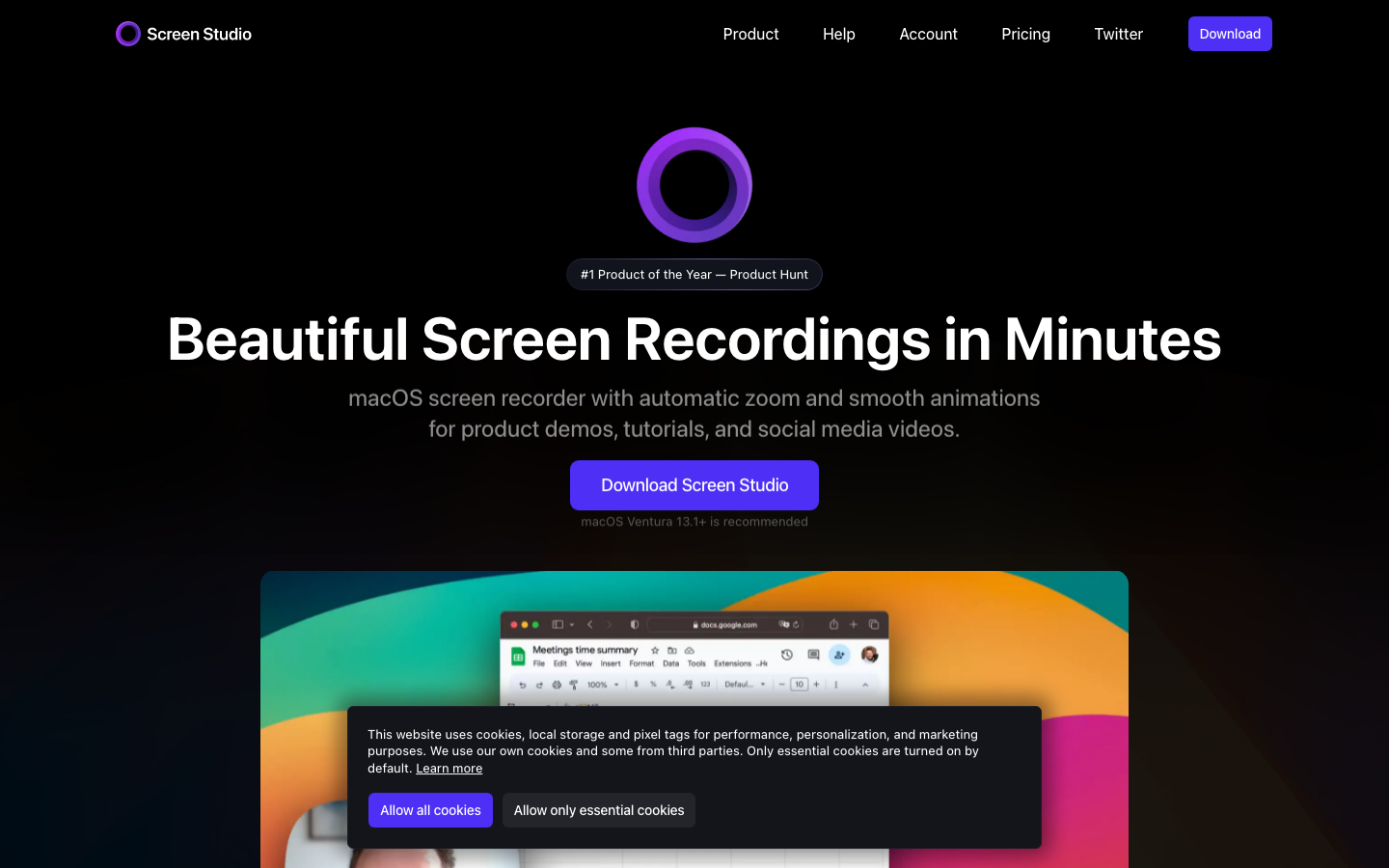
Screen Studio (Mac-only) is the sibling tool for longer, higher-polish demos — webinars, launch videos, sales-deck embeds. The animations and transitions feel built rather than recorded; it is what you reach for when the asset needs to survive being shown in a customer pitch.
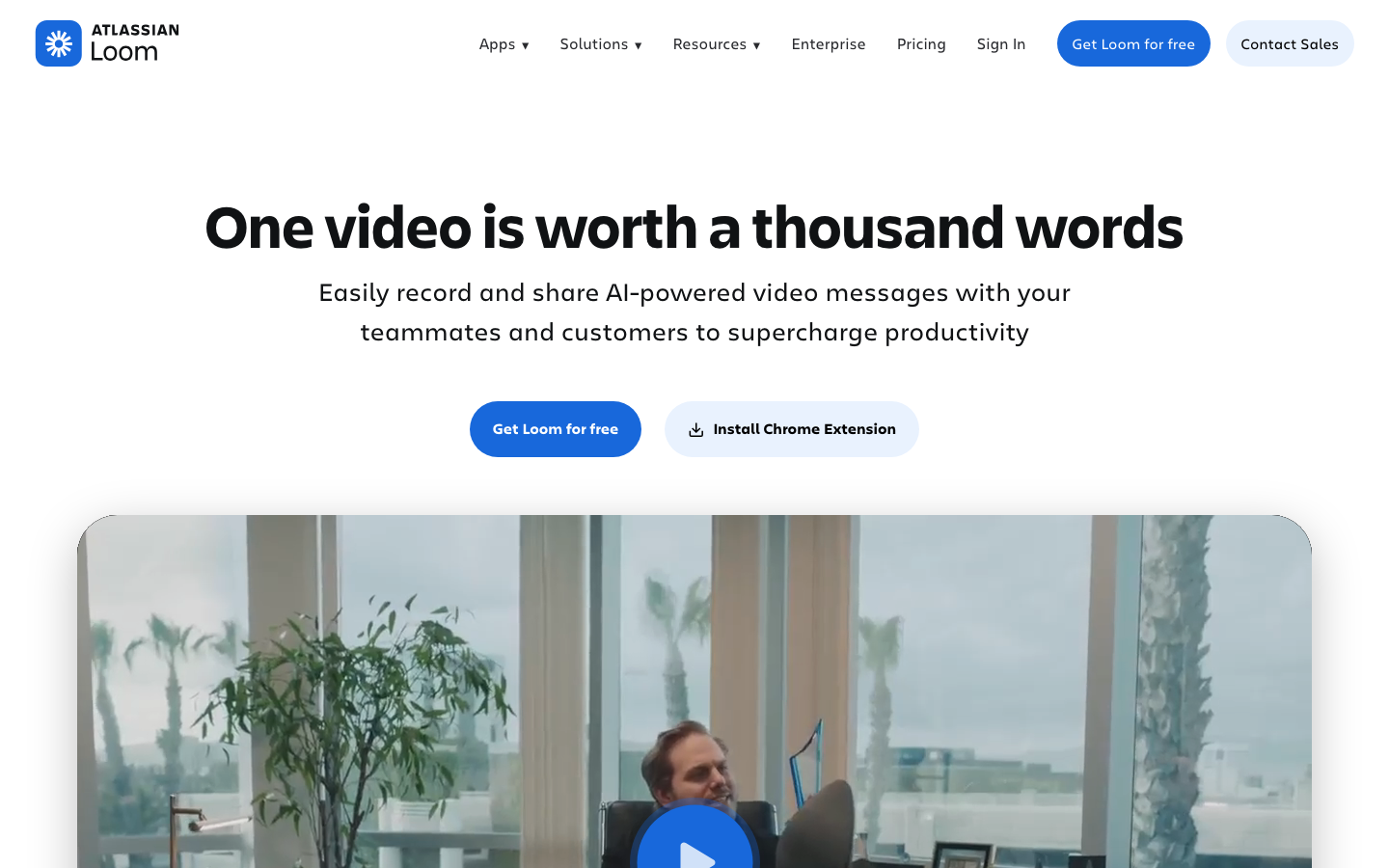
Loom still owns "raw and fast." Do not dismiss it. The lowest-friction recording is sometimes the best content — and the recent Loom AI features (auto-titles, summaries, chapter markers) make it more shareable than it used to be. One tool you already pay for, used five times more deliberately, beats four tools used once.
AI-powered scale: variants and editing without a creative team
One screen recording is an asset. Ten variants of it, tested across hooks, copy, and aspect ratios, is a creative pipeline. This is where the bulk of AI leverage hides for SaaS — not in generating new footage, but in remixing what you already shot.
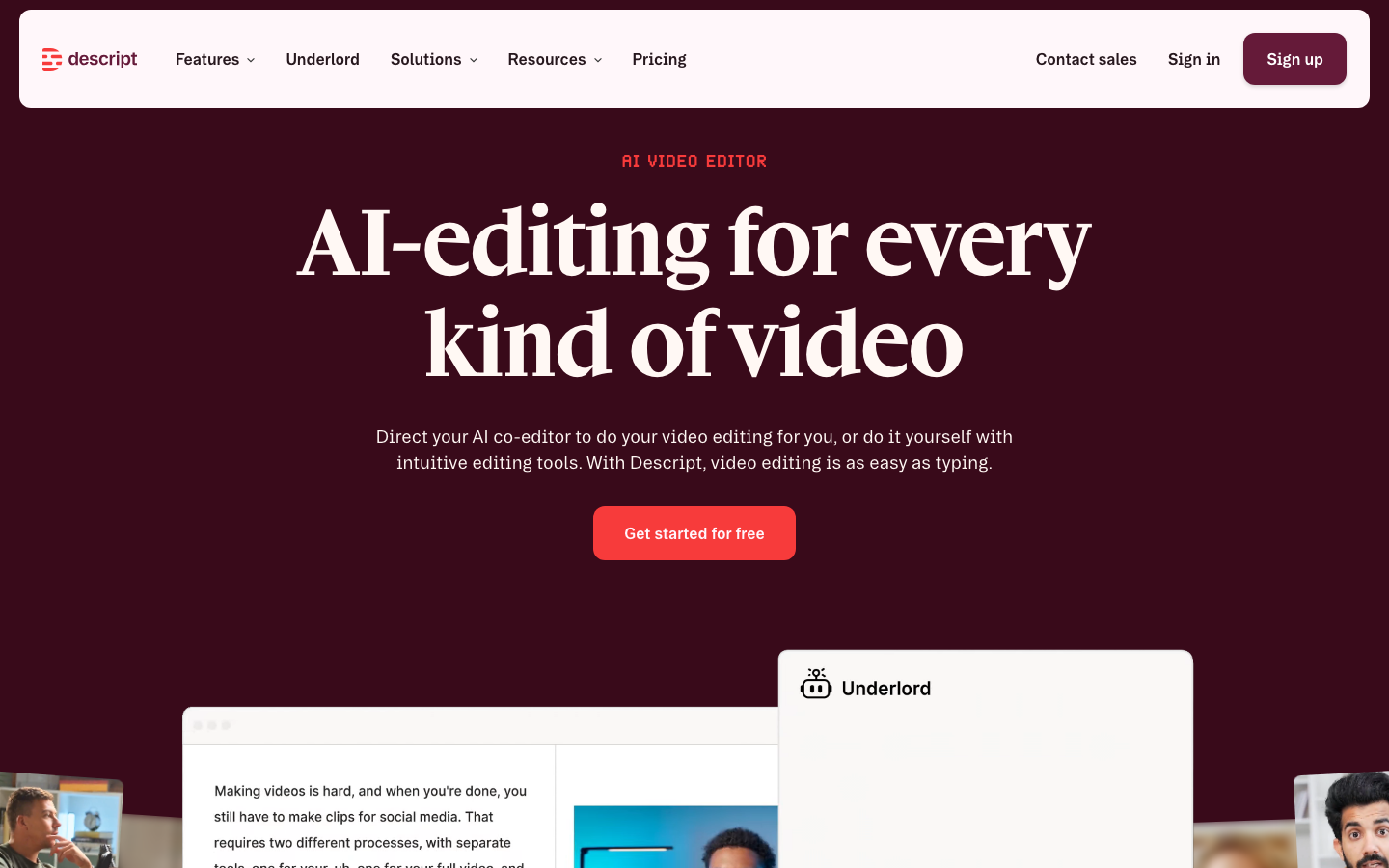
Descript edits video via the transcript. Cut filler words by deleting text. Trim a five-minute walkthrough to sixty seconds by deleting paragraphs. Re-record a botched line with AI voice cloning. The mental model is "I am editing a doc" instead of "I am scrubbing a timeline." The difference is hours per video for a non-editor.
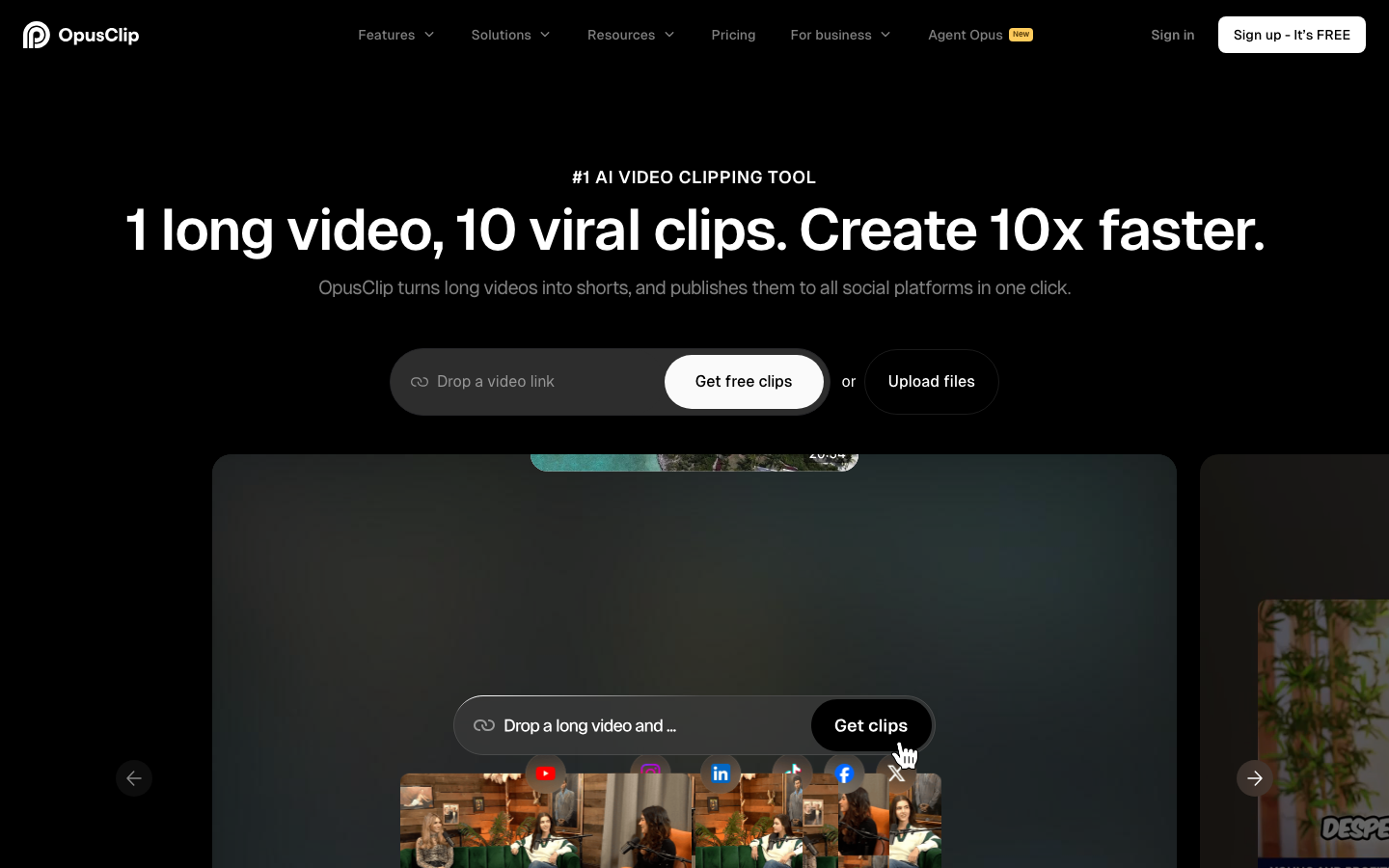
OpusClip (and Submagic in the same category) takes a long-form video — a webinar, a customer interview, a recorded podcast — and slices it into short-form clips with auto-captions and aspect-ratio adjustments. A 30-minute customer call becomes ten 60-second clips for LinkedIn and X. You created one thing; AI created the rest.
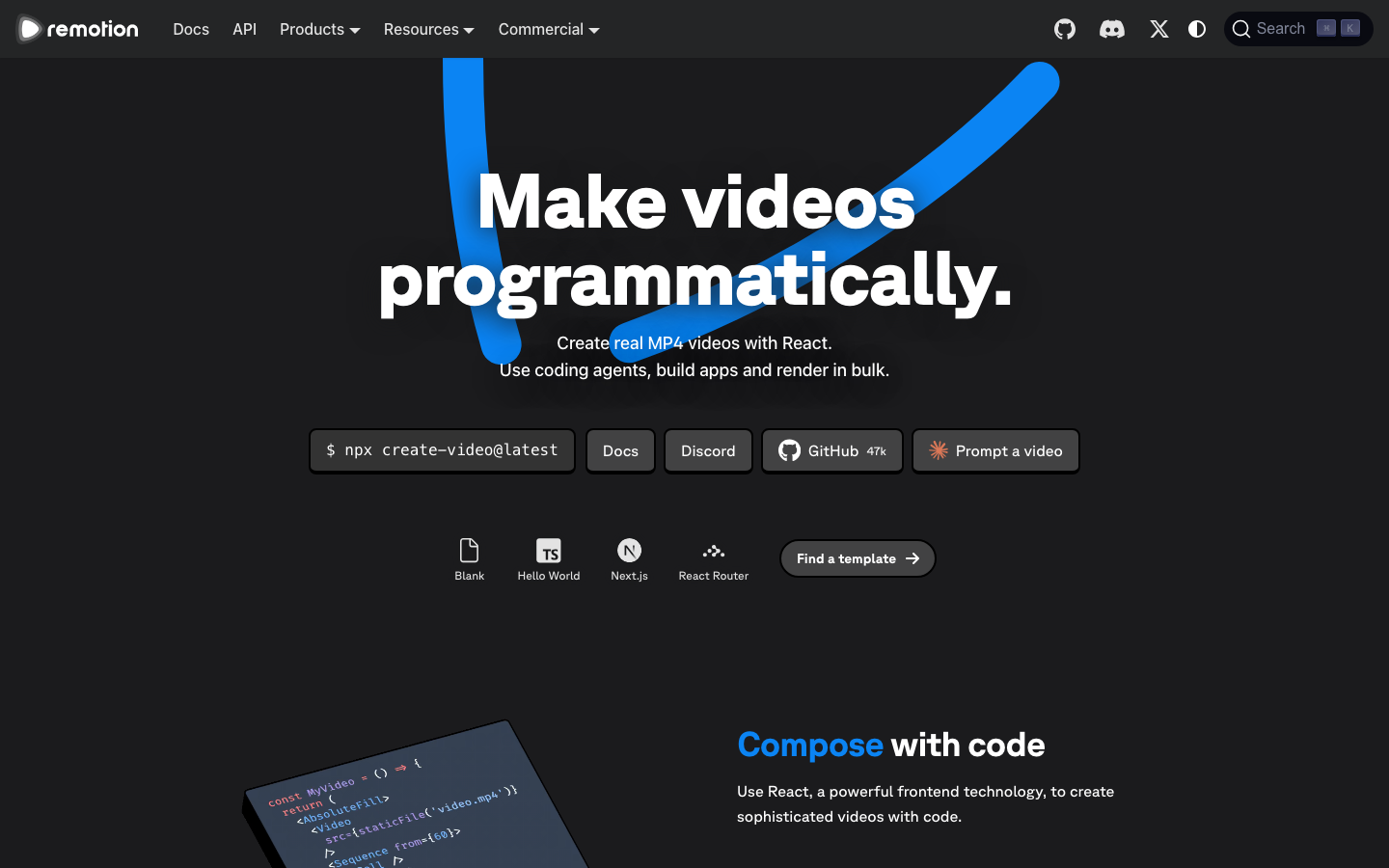
Remotion is the wildcard. It is a React-based framework that lets you generate video programmatically — pass a config of 50 different headlines, output 50 polished videos. Most marketers will not touch it. But if your team has one engineer willing to spend a weekend, you will have a creative variant factory no agency can match on price or speed.
Distribute: pick one channel, ship fast
Most playbooks at this point tell you to publish everywhere. For a lean team, that is how you burn out and produce mediocre content on five platforms. Pick the channel where your buyer already spends time, ship on it ten times, before opening a second.
For most B2B SaaS, that channel is LinkedIn or YouTube. For consumer-facing SaaS, TikTok or Instagram. For developer tools, X or Reddit — use Reddit carefully, because it punishes corporate voice harder than any other platform. Use the production stack above to make ten cuts of the same source recording, each tailored to the platform's format and pace, before shipping any of them.
The faster you can ship, measure, and iterate on one channel, the less budget you waste figuring out whether the channel works for you before you have figured out what works on the channel.
Paid as a fast way to test messages — even early
Paid is the move most early-stage SaaS startups underuse. A few hundred dollars puts your messages in front of tens of thousands of qualified prospects in 48 hours — signal you would otherwise spend three months of organic content trying to accumulate. You do not have to be ready to "scale on paid" to benefit. You just have to want fast feedback on which message lands.
The pattern: pick three to five hooks for the same value prop. Run each as a small paid campaign — $50 to $100, 24 to 72 hours, one platform where your buyer already spends time. Compare click-through, landing-page time, and signup rate. The winning combination tells you what your sales pitch, landing page, and content should emphasize — across paid and organic alike.
The reason most lean teams skip this is that ad operations is its own skill. Running five small experiments on one platform looks daunting if you do not live in Meta or Google ad managers. That is the gap Maxma closes for early-stage teams. Tell its agentic command center "test these five hooks against this landing page, $500, 72 hours" — the agents launch the variants, monitor performance, kill losers, and surface what is working in plain language. You do not learn ad ops; you get a learning loop in days instead of months.
What you do with the winners is up to you: scale them in paid now that you know they convert, push the message into your organic channels, or both. The point is to learn fast and cheap before committing dollars or months of content production to the wrong message.
TL;DR — the lean SaaS team's AI stack
The shape of a lean SaaS marketing motion in 2026:
- Capture the product as creative — Tight Studio, Screen Studio, Loom
- Scale variants and edits — Descript, OpusClip, Remotion
- Distribute on the one organic channel where your buyer already is; ship ten things before opening a second
- Test messages fast with small paid spend — $200 to $500 / 72 hours; Maxma's agents handle the ad ops
Skip the popular AI video generators built for DTC — HeyGen, Synthesia, Runway, and the long tail of similar tools. They are built to sell lifestyle products, not digital ones. The AI leverage for SaaS is in capture, iteration, and using small paid budgets as a fast testing lab — not in generating fake people or stock imagery.
A one-person team applying this stack ships more creative, runs more tests, and learns faster than a five-person team running the old playbook. That is the bet worth making.